Chairs constitute a foundational category in interior design, blending form and function to support daily activities such as seating for work, meals, and relaxation. This overview emphasizes construction, ergonomics, and material choices, highlighting how chair design adapts to spaces from compact apartments to open-plan living areas. Keywords like chairs, furniture, and benches capture the broad context of seating solutions.
Across contemporary, traditional, and minimalist styles, chair construction typically combines a seat, backrest, and legs engineered for stability and comfort. Materials may include wood, metal, or molded composites, with upholstery options ranging from fabric to leather. The balance between support, aesthetics, and durability informs decisions about where each chair best fits within a room.
Functional benefits of chairs extend beyond immediate use: ergonomic designs promote posture and comfort during extended seating, while stackable or foldable variants offer flexible arrangements for gatherings or multifunctional spaces. In residential contexts, chairs can define dining zones, work corners, or accent areas, contributing to spatial flow and usability.
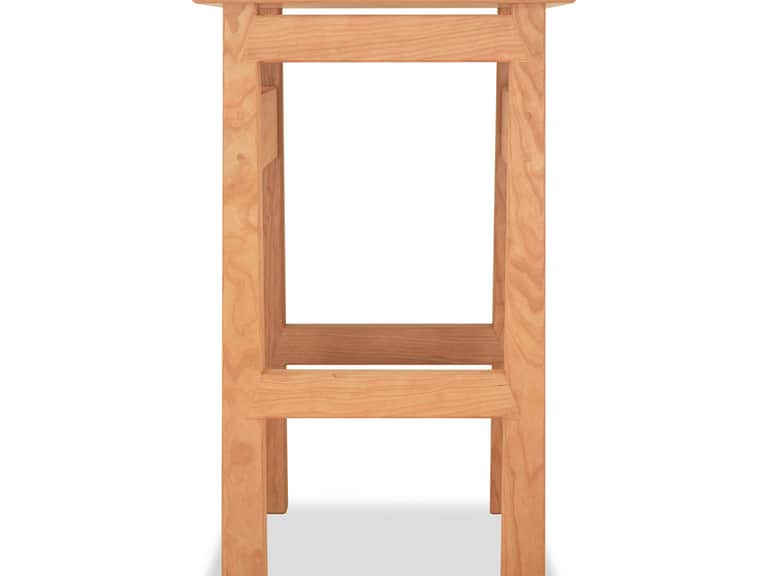
The Contemporary Asian Stool exemplifies a fusion of cultural influence and practical design, featuring clean lines, compact silhouettes, and versatile performance. Such stools are valued for lightweight handling, ease of cleaning, and adaptable seating that complements various surfaces and color schemes in living or work environments.
Key features to consider include seat height, depth, back support, and the presence of armrests, along with material care requirements and environmental factors. Understanding the interplay between style, function, and maintenance helps inform appropriate selection for dining rooms, offices, or lounge spaces within the broader category of chairs, benches, and ottomans.
 Furniture